
Discussion - Member to Member Sales - Research Center
Discussion - Member to Member Sales - Research Center

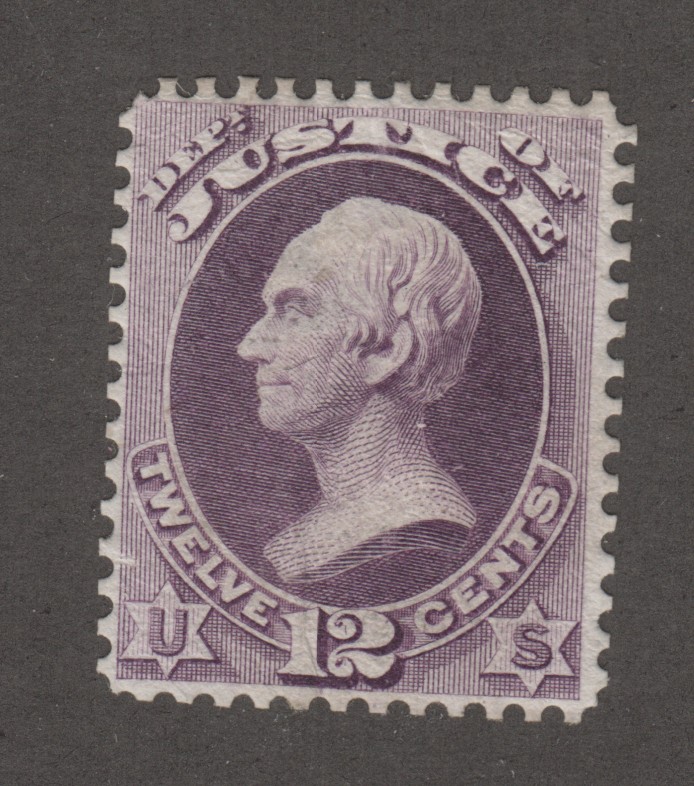
Sometimes stamp colors are hard and I saw this Wonder Color Guide online.
I wanted to know if it was any good? (I don't have one) Or if using a Pantone Color guide works better?
Thanks!
-Ari


Login to Like
this post
The wonder Gauge was developed for use with stamp colors and uses the terminology generally associated with stamps (every catalog uses slightly different descriptions and also vary by time period, etc. The pantone color guide is designed for interior decorators and others and relates to solid colors and nomenclature developed for the paint and fabric market - and in my opinion would be useless in identifying stamp colors (others may disagree).
Nothing is as useful as actual reference stamps that only came in one color from the same time period and from the same catalog as the stamp you are trying to match.
But neither are perfect - unless the reference stamp was subjected to the same storage conditions as the stamp you are trying to identify they probably won't be a perfect match.
The color guides are printed on paper and change over time based on the acidity of the paper and storage conditions. Below are two Wonder color guides stored under similar conditions - top one is 30 years old, bottom is 10 years old. Add in variances in ink lots used to print the original stamps and subtle variations that may be visible to some people are not visible to others.
Even experts will often differ on the exact color - go to Gibbons and see how many color combinations are listed for some of the Great Britain bicolors and you will see the complexity of the problem. Add in that certain chemicals can make slight color changes and ethical problems arise.
Unless I can be positive of an expensive color variation I always assume it is the cheapest color. I won't get rich but I won't get returned stamps or unhappy customers either.

1 Member
likes this post.
Login to Like.
Very interesting.
Do you think lead in printing ink for stamps is one possible reason?
Login to Like
this post
Thank You Both!
I'm going to go get a Wonder Guide for myself now!
-Ari
Login to Like
this post

Approvals
Hi everyone!
Sometimes stamp colors are hard and I saw this Wonder Color Guide online.
I wanted to know if it was any good? (I don't have one) Or if using a Pantone Color guide works better?
Thanks!
-Ari
Login to Like
this post
06:06:30pm
re: Does The Wonder Color Guide for identifying postage stamp colors Work?
The wonder Gauge was developed for use with stamp colors and uses the terminology generally associated with stamps (every catalog uses slightly different descriptions and also vary by time period, etc. The pantone color guide is designed for interior decorators and others and relates to solid colors and nomenclature developed for the paint and fabric market - and in my opinion would be useless in identifying stamp colors (others may disagree).
Nothing is as useful as actual reference stamps that only came in one color from the same time period and from the same catalog as the stamp you are trying to match.
But neither are perfect - unless the reference stamp was subjected to the same storage conditions as the stamp you are trying to identify they probably won't be a perfect match.
The color guides are printed on paper and change over time based on the acidity of the paper and storage conditions. Below are two Wonder color guides stored under similar conditions - top one is 30 years old, bottom is 10 years old. Add in variances in ink lots used to print the original stamps and subtle variations that may be visible to some people are not visible to others.
Even experts will often differ on the exact color - go to Gibbons and see how many color combinations are listed for some of the Great Britain bicolors and you will see the complexity of the problem. Add in that certain chemicals can make slight color changes and ethical problems arise.
Unless I can be positive of an expensive color variation I always assume it is the cheapest color. I won't get rich but I won't get returned stamps or unhappy customers either.
1 Member
likes this post.
Login to Like.

re: Does The Wonder Color Guide for identifying postage stamp colors Work?
Very interesting.
Do you think lead in printing ink for stamps is one possible reason?
Login to Like
this post
Approvals
re: Does The Wonder Color Guide for identifying postage stamp colors Work?
Thank You Both!
I'm going to go get a Wonder Guide for myself now!
-Ari
Login to Like
this post